




- Voice
- Keyboard
- String
- Woodwind
- Brass
Russia Traditional
1866
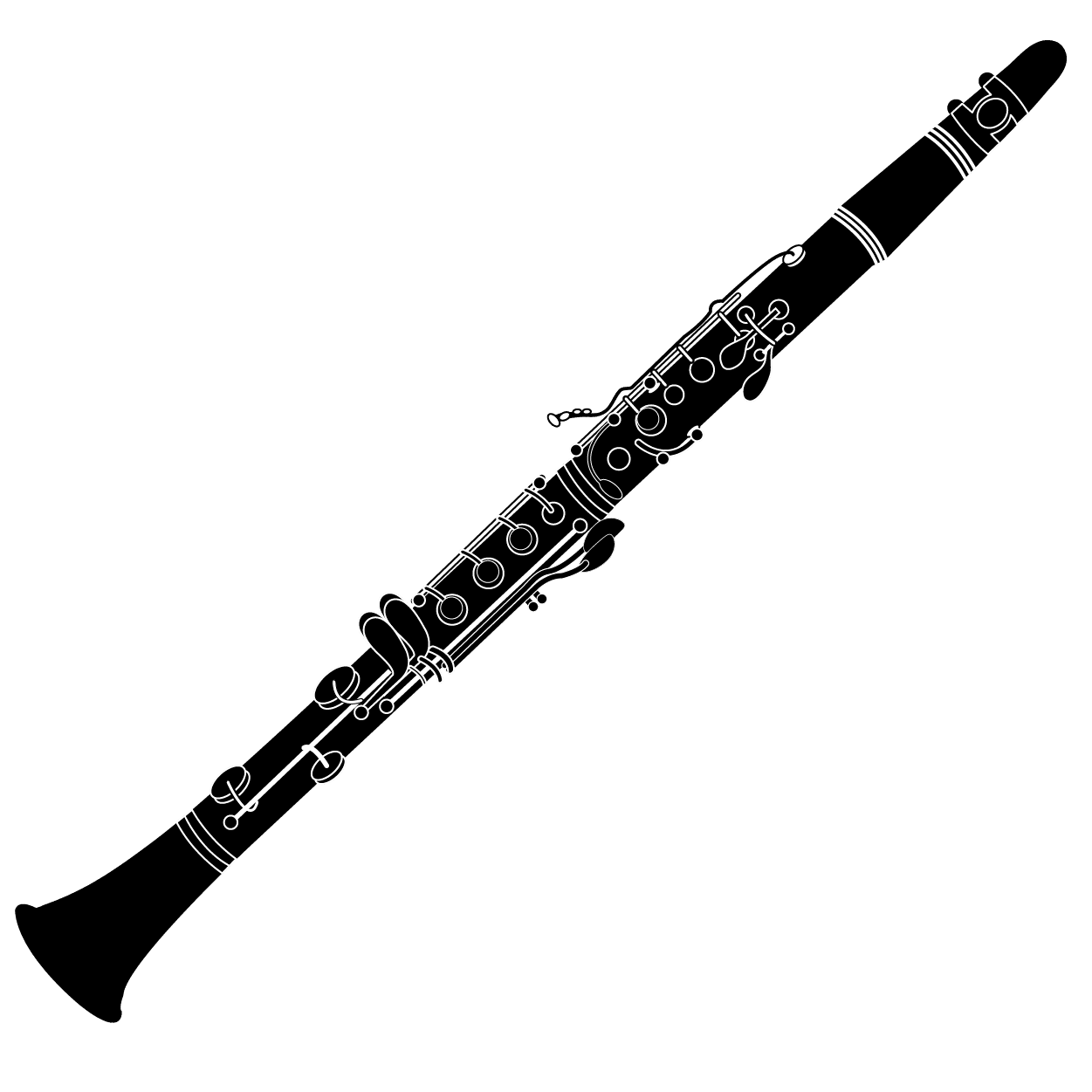
Clarinet Bb (chalumeau) and piano
Arranged by Frédéric CELLIER
Duration ≃ 02:45 | Difficulty ≃ 2/10
$ 2.99 Add
Add
SCORE Clarinet Bb (chalumeau) and piano
PDF - 4 pages
+
PART Clarinet Bb (chalumeau)
PDF - 1 page
+
BACKING TRACK
MP3 - 1 track
The Song of the Volga Boatmen (Ey, Ukhnem) is a traditional Russian folk song dating back to the time of Imperial Russia. It was sung by the burlaki, boatmen who pulled heavy barges upstream along the Volga River using harnesses and ropes.
It was collected by Russian composer Mili Balakirev, who published it in his collection of folk songs in 1866[
Russian painter Ilya Repin was inspired by it around 1873 to paint his famous painting The Volga Boatmen.
This song gave rhythm to their hard, collective work. Its slow tempo and sombre melody convey the fatigue, suffering, solidarity and resignation of the workers.
The lyrics evoke the intense physical effort and its unbearable repetition:
Heave ho!
Heave ho!
Once more, yes once more.
Heave ho!
Heave ho!
Once more, yes once more.
We drag heavy birch trees,
We pull with difficulty.
Oh yes, yes, oh yes!
Oh yes, yes, oh yes!
We pull with difficulty.
We walk alongside the barges,
Singing our song in the sun.
Oh yes, yes, oh yes!
Oh yes, yes, oh yes!
Singing our song in the sun.
Hey, hey, we haul hard
Singing our song in the sun.
Hey, ho, heave!
Hey, ho, heave!
Once again, yes, once again.
Hey you, Volga, mother river,
Immense and deep.
Ah yes, yes, ah yes!
Ah yes, yes, ah yes!
Volga, Volga, mother river.
Heave ho!
Heave ho!
Once more, yes once more.
Heave ho!
Heave ho!
The Song of the Volga Boatmen has become an emblem of Russian popular culture and the working class. Many composers have been inspired by it or incorporated it into their works, notably Alexander Glazunov, who quotes it in his symphonic poem Stenka Razin (1885), and Igor Stravinsky.
In 1917, following the Bolshevik Revolution, the Russian national anthem (God Save the Tsar) could no longer be performed. Serge Diaghilev then proposed replacing it with this highly symbolic folk song. Stravinsky composed his arrangement in a hurry, completing an orchestration for wind instruments and percussion in a single night.
The song was then widely disseminated thanks to the famous Russian opera singer Fyodor Chaliapin and became a permanent fixture in the repertoire of Russian basses and choirs, particularly that of the Red Army Choir.
Frédéric Cellier
Along his university studies (DEA in musicology, University of Paris IV-Sorbonne), Frédéric Cellier was awarded three first prizes and a development prize at the CNR of Nice and won first prize at the International Competition of Musical Execution - soloist category – of Stresa (Italy).
He is the laureate of the Fondation de France and the Yehudi Menuhin Foundation and accredited teacher at the CNR of Nice, the CNR of Marseille, and at the CRR Olivier Messiaen of Avignon (France).
Frédéric Cellier is the interpreter of Francis Poulenc’s Sonata for clarinet Bb and piano with Jean-Michel Damase, Jean Françaix or Gabriel Tacchino, as well as his own arrangements for clarinet and harp of Erik Satie's Gymnopédies and Gnossiennes with the great French harpist Elizabeth Fontan-Binoche, and for clarinet, piano, and string orchestra of George Gershwin's Rhapsody in blue for Wynton Marsalis or under the baton of Adrian Gershwin, grandson of the composer.
Founder and artistic director of STRADIVARIUS Editions, he is the author of light music pieces played around the world and a considerable number of arrangements of all styles and for all instruments, acclaimed by many personalities in the music world, including Michèle Auric, Jean Françaix, Adrian Gershwin, Wynton Marsalis, Yehudi Menuhin, Madeleine Milhaud, Manuel Rosenthal, Gabriel Tacchino, and Ornella Volta.
"Frédéric Cellier has produced a number of adaptations of Georges Auric's works with such talent and precision that I consider them a natural addition to his chamber music catalogue."
Michèle AURIC - Georges Auric's widow
"To Frédéric Cellier, excellent musician and tireless arranger."
Jean FRANÇAIX - Composer and pianist
"Arranging a musical work is always a delicate and risky exercise, because it requires both modifying it so that it can be played by the desired instruments and preserving its very essence. But that is exactly what Frédéric Cellier has done, preserving the nuances, subtleties and soul of the original works while breathing new life into them.
His arrangements give all the musicians the chance to perform these compositions specially revisited for their instrument, and make music lovers rediscover them in a new light."
Adrian GERSHWIN - George Gershwin’s grandson
"Congratulations for your beautiful new orchestration and rendition of Gershwin’s Rhapsody in blue."
Wynton MARSALIS - Trumpet player, composer, bandleader, general and artistic director of Jazz at Lincoln Center, New York
"It is outstanding that Frédéric Cellier has managed to transpose Saxophone Marmalade from the saxophone to the clarinet. I thank him for it and wish its great and deserved success. "
Manuel ROSENTHAL - Conductor, composer and Maurice Ravel’s pupil
"I am very happy to tell you how much I appreciated your transcription of the Capriccio, based on Francis Poulenc's Le Bal Masqué. It perfectly reflects the spirit and verve of the score for two pianos that I had the opportunity to play and record with Jacques Février, and it was a great pleasure for me to premiere it in Montpellier."
Gabriel TACCHINO - Pianist, Francis Poulenc’s specialist
"I must tell you that I really like your transcriptions and that I think the tone of the instruments you have chosen suits perfectly our beloved composer."
Ornella VOLTA - Musicologist, president of the Erik Satie’s Foundation






Added to your basket
Removed from your basket
Added to your favorites
Removed from your favorites
You must be registered to use this function
You reached the download limit for free products (5 per day)



















 - SCORE Clarinet Bb (chalumeau) and piano)